
-
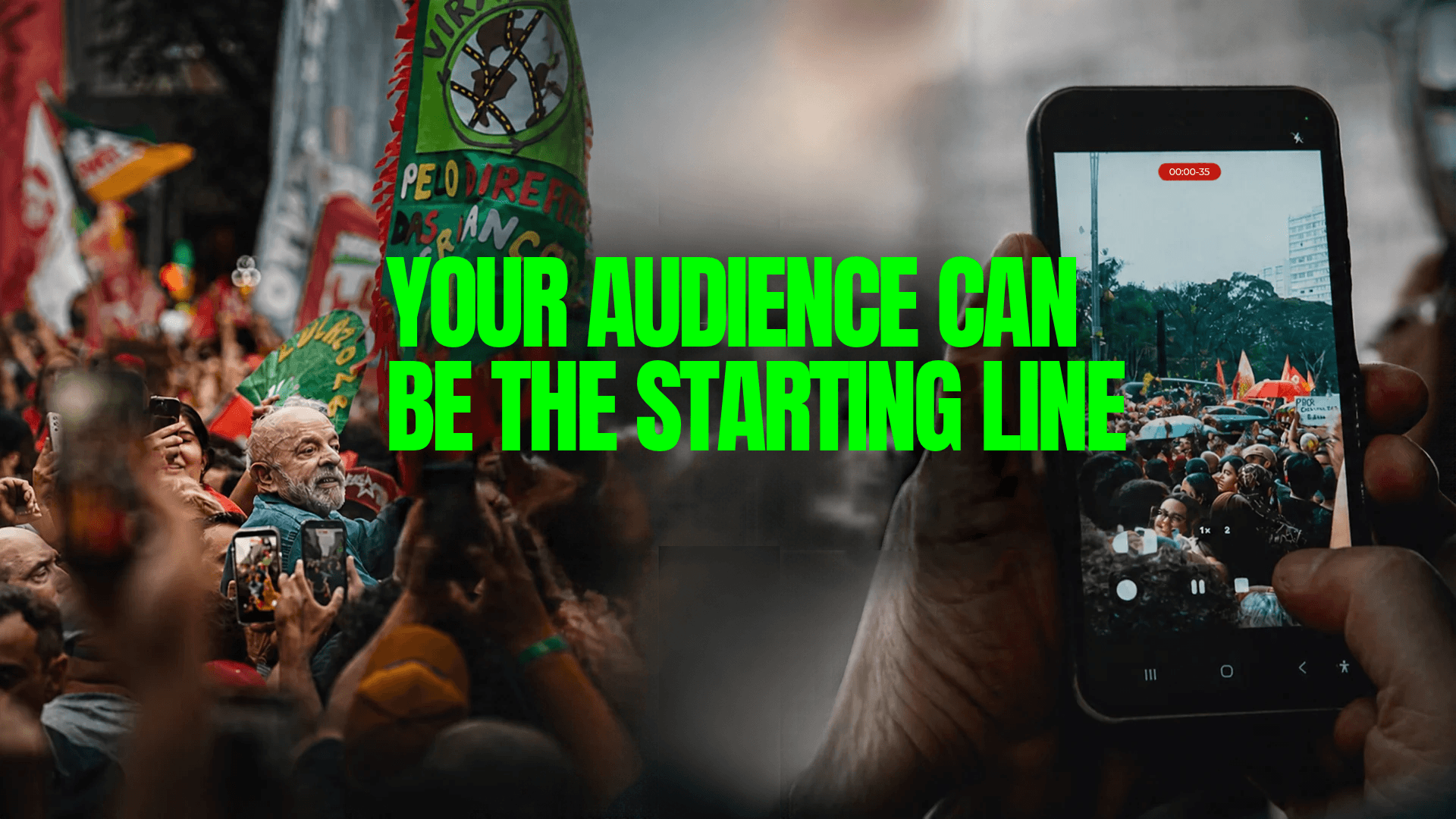
Your Audience can be the Starting Line: Lessons from Brazilian Election
Most campaigns treat the audience as the end of the distribution chain rather than a beginning. Brazil’s presidential election showed what happens when supporters are given a role instead. If organisations trying to make a difference followed the same logic, there are a few things we’d need to do differently to turn attention into participation.
-
Strong Campaign Numbers Can Hide Who We Are Not Reaching
Platforms are very good at finding the people most likely to react, and those are usually the people a campaign already has. Why strong engagement can mean a campaign is only getting louder, and three things organisations can do to know whether they are actually growing with people that are not already convinced.
-
A Chronological Feed Could Leave the Biggest Voices in Charge
While user control is a win, the hidden cost is diminishing discovery for emerging causes. Why a following-only feed tilts the scales toward legacy brands and how digital strategy needs to pivot before organic discovery vanishes.
-
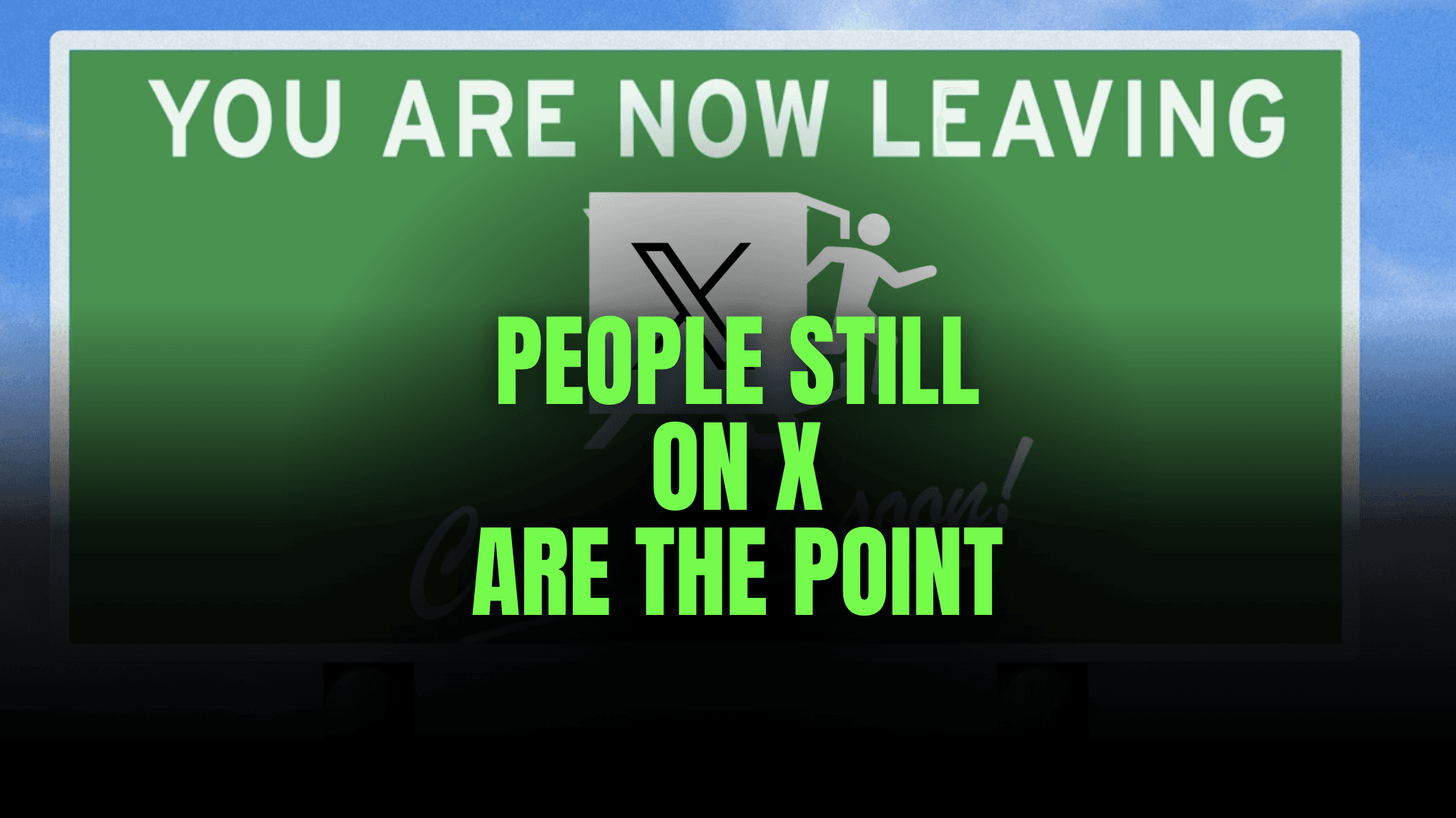
X is Toxic. Leaving It is Still a Mistake.
X may be broken, but it still helps decide what becomes politically salient. For cause-driven organisations, the question is not whether the platform feels good. It is whether absence is really an influence strategy.
-

When Organisations Become Their Own Target Audience
Ferrari’s EV problem and Halima Begum’s critique of the aid sector point to the same failure: organisations often design for their own internal logic instead of the people they need to move.
-
The Cambridge Analytica Lesson We Still Refuse to Learn
The real lesson of Cambridge Analytica was not that stolen data can hypnotise voters. It was that disciplined research, testing and iteration can beat people still relying on one polished message and a good conscience.
-

The Election Nobody Is Watching
If people do not understand what you stand for, you lose them. The race for the next UN Secretary-General is not really about the UN. It is a reminder of a much bigger problem facing public institutions, NGOs and cause-driven organisations everywhere: doing important work is not enough if people cannot see why it matters.…
-
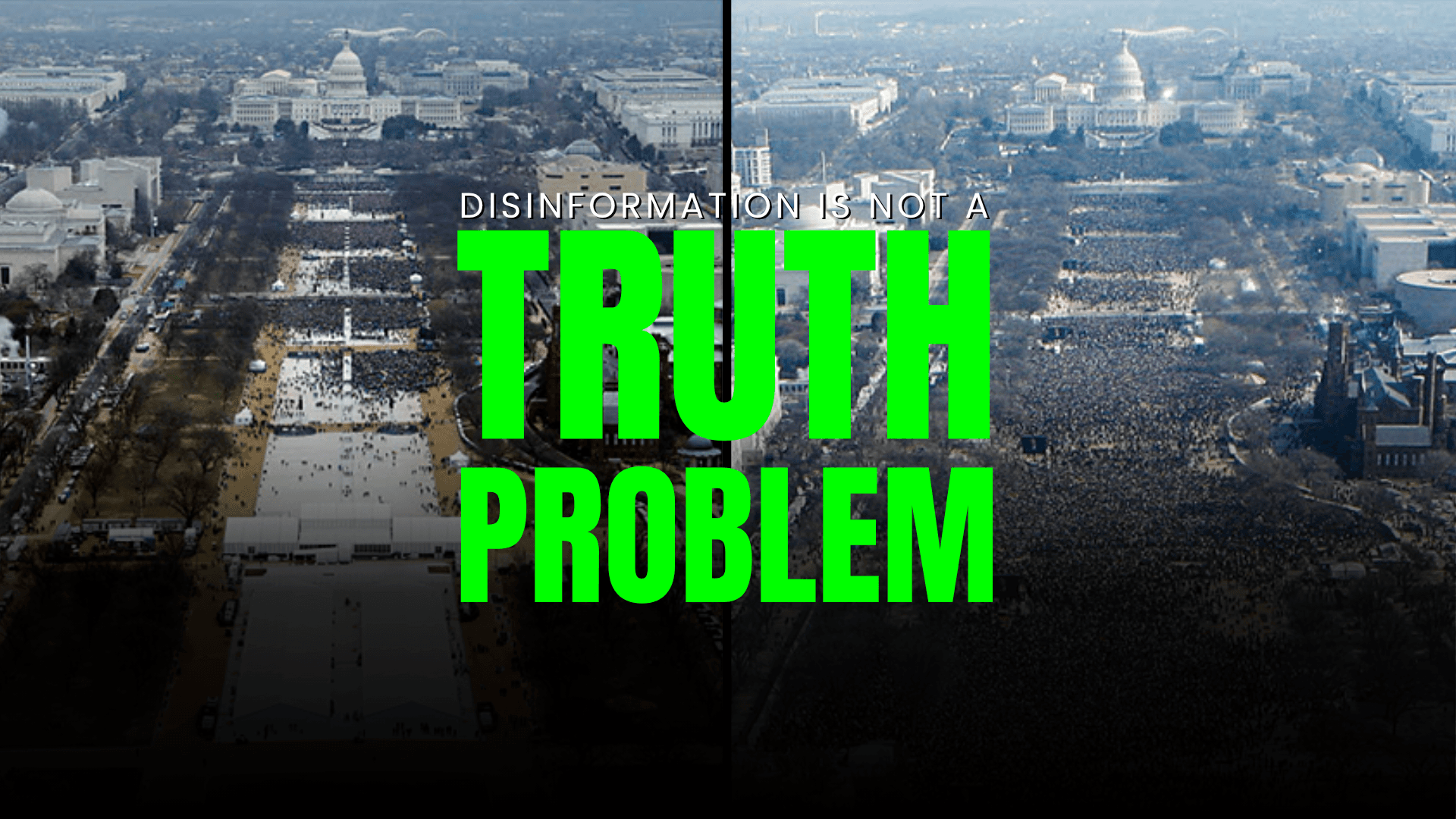
Disinformation Is Not a Truth Problem
Disinformation does not spread mainly because people lack facts, but because it often offers belonging, status and emotional payoff more effectively than truth does.
-
Distribution Beats Argument: What Brands Teach Political Campaigns in 2026 (Originally published on “Partisan”)
Baden-Württemberg shows why distribution beats argument. Practical brand tactics for campaigns: segmentation, funnels, testing, creative systems, owned channels
-
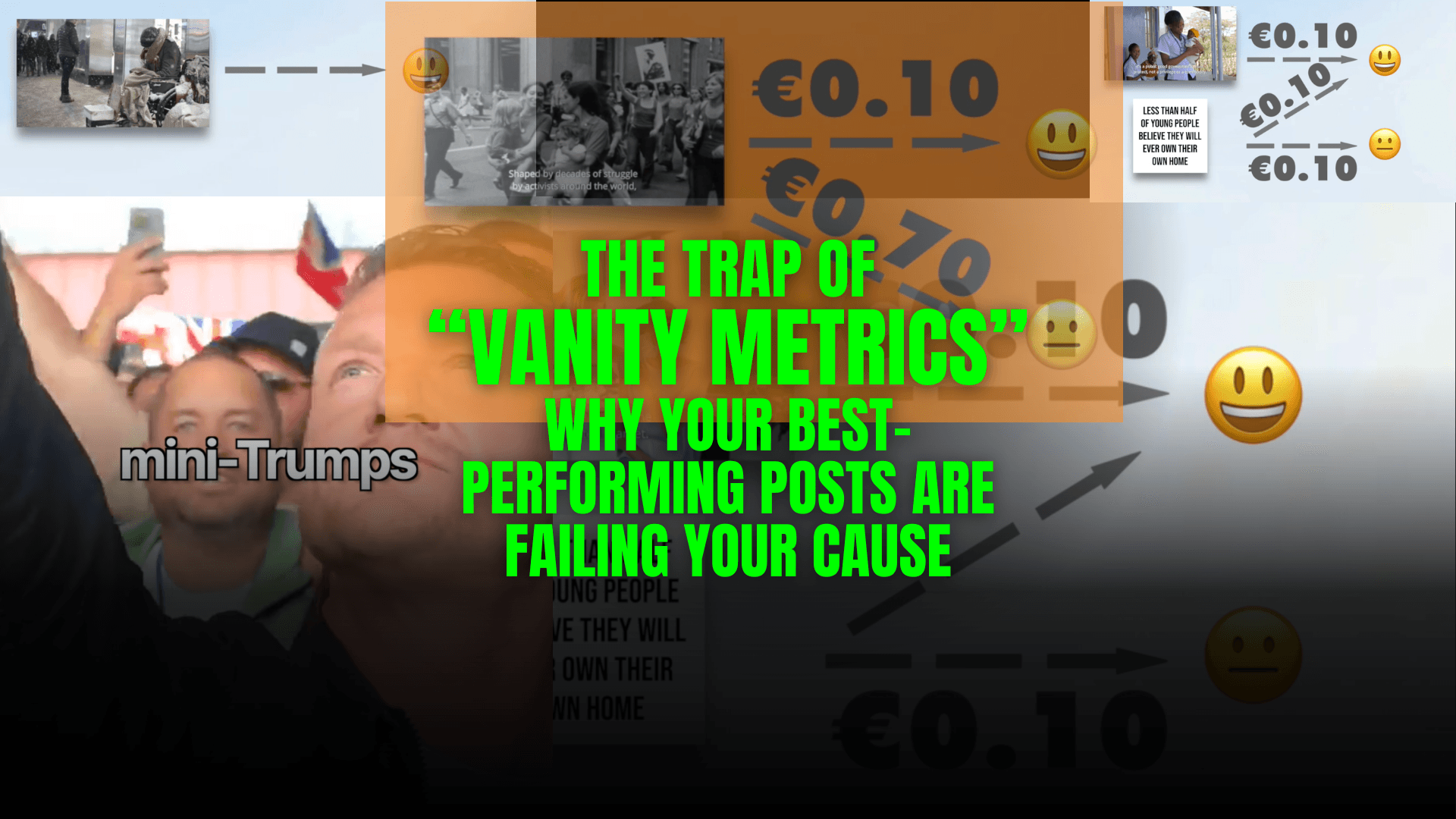
The “Vanity Metric” Trap: Why Your Best-Performing Posts Are Failing Your Cause
While populists master the digital public square, civil society is stuck in an echo chamber. Discover how to use data-driven testing to break through the noise and reach the audiences that actually matter.
-
Disinfo is a Marketing problem
Disinformation isn’t a knowledge problem, it’s a motivation problem and the fix is designing media that pays people in social currency, not lectures.
-

Democracy needs better branding
Branding isn’t your logo, it’s the instant shortcut in people’s minds that decides whether your message travels beyond your bubble or dies in it.
-

Still Reeling From The Ad Ban? A No-Nonsense Readiness Audit To Help You Move Forward
The EU ad ban is here. Don’t just hope for the best. Use this practical readiness assessment to audit your digital maturity, map stakeholders, and build a real plan for what’s next.
-
What European NGOs Lost This Week
Meta & Google’s exit from Political & Social Ads is about to create a €43.7M void. A breakdown of what NGOs and charities will lose—and why it’s not just about money.
-

How Zohran leverages audience insights
How to go from audience data -> insights -> strategy -> creative execution.
-

After October: How NGOs and Political Parties Win Without Paid Ads
Rethinking the playbook for organic social impact.
-
Europe’s Information War Is Really a Clash of Philosophies
Countering trolls with facts won’t rebuild trust. The real challenge is telling stories that connect with people’s values and emotions.
-
Banning Political Ads Won’t Stop Disinformation. It Will Supercharge It
Banning political ads will not stop manipulation. It removes a key tool for civil actors. Here is how to win traction without paid reach.
-
Apple just ruined someone’s week…
Apple’s “illusion of thinking” shows AI can look smart while failing. Civil society makes the same mistake. Here is how to swap performance for traction.
-
AI decides what people see?
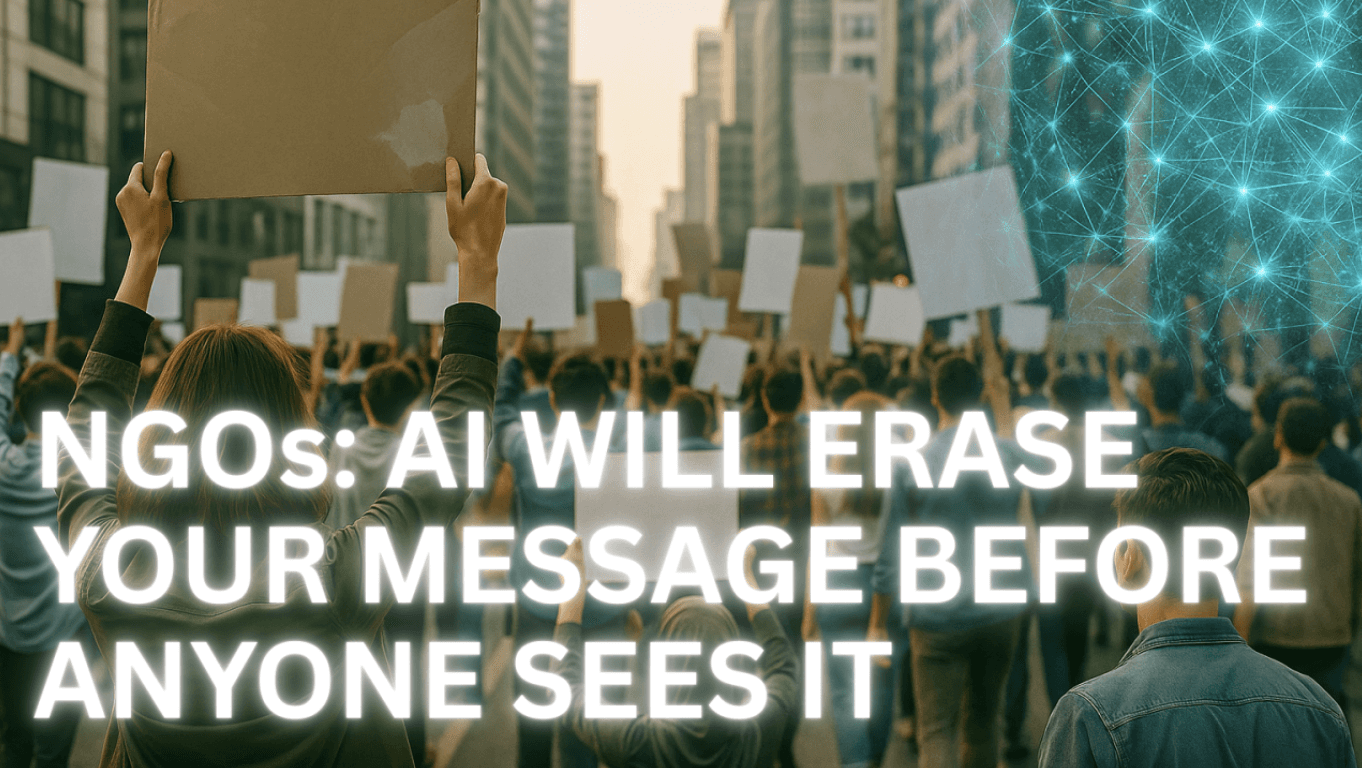
Search is turning into answers. If AI decides what people see, NGOs must design content as data and proof to stay visible, trusted and persuasive.