
-

Aesthetic Warfare and how we fight it
Aesthetic warfare is reshaping politics. Here is how civil society can compete by building traction systems that reach the mainstream and rebuild trust.
-

Populists win because the Civil Sector is still unprepared
Why populists win today and how civic actors can respond with traction, not volume. A practical playbook to reach the mainstream and regain relevance.
-
Audience targeting in 2025: How NGOs reach beyond their base
Audience targeting now decides impact. Here is how NGOs reach beyond the base and grow influence with the persuadable mainstream.
-
Message packaging decides traction
Message packaging decides traction. Civil society must frame ideas for mainstream relevance without losing integrity. Here is a system that works.
-

Shouting Louder Backfires Online
Shouting is a trap. In an algorithmic world, traction vs volume decides impact. Here is how NGOs and civic actors reach the mainstream and win.
-

Romania’s Election Shows the Real Rules of Influence
Romania’s 2024 election showed that resonance beats spend. Here is how parties and NGOs can build real traction with persuadable mainstream audiences.
-
Why Civil Society Needs More Nerdy Discussions
Civil society relies too much on values and too little on strategy. Impact Engineering builds a culture of testing, debate, and traction metrics.
-
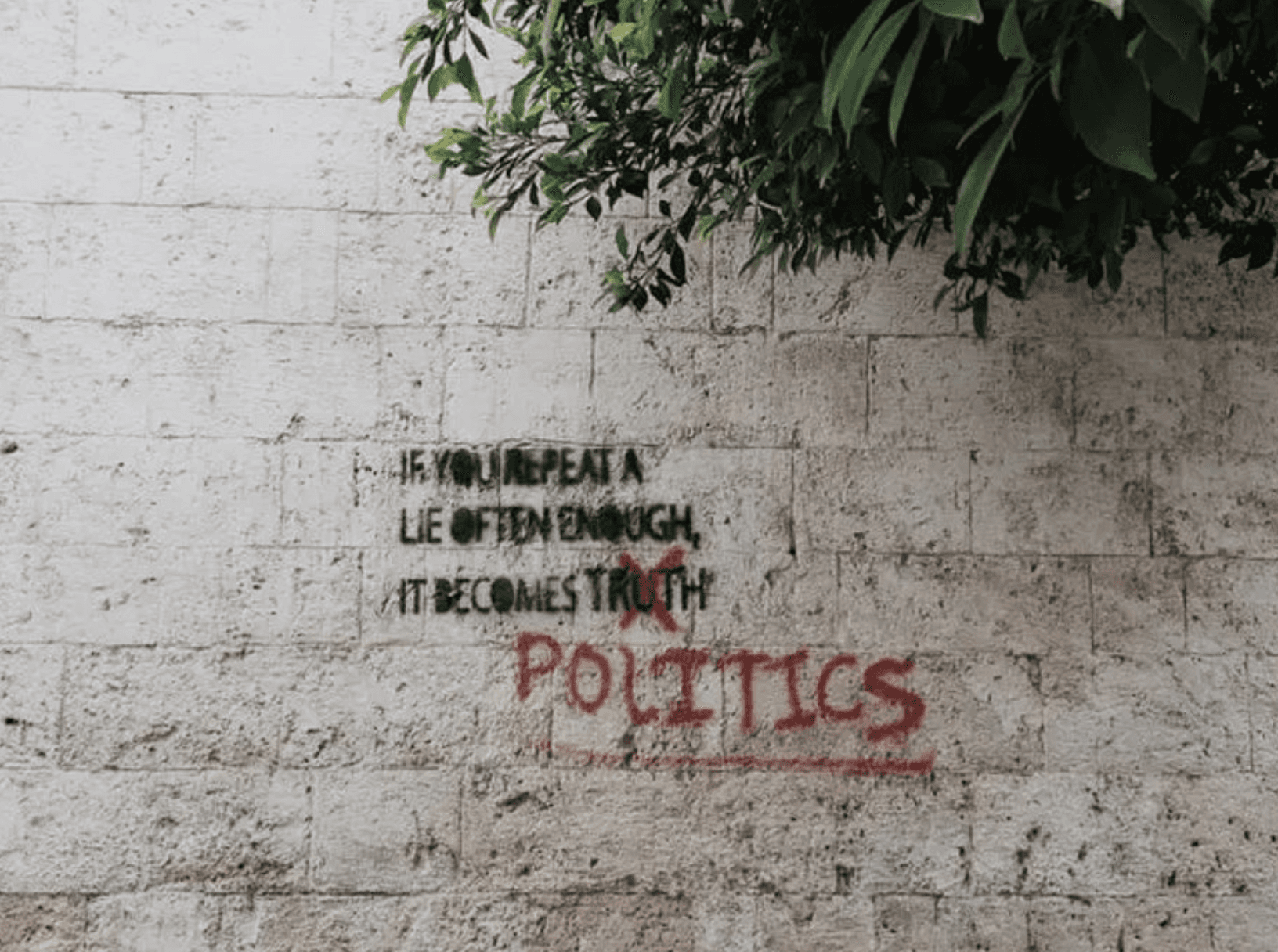
Populists Win Because They Study Audiences. Civil Society Does Not
Populists win by studying audiences and refining messages until they connect. Civil society assumes ideas sell themselves. Impact Engineering closes the gap.
-
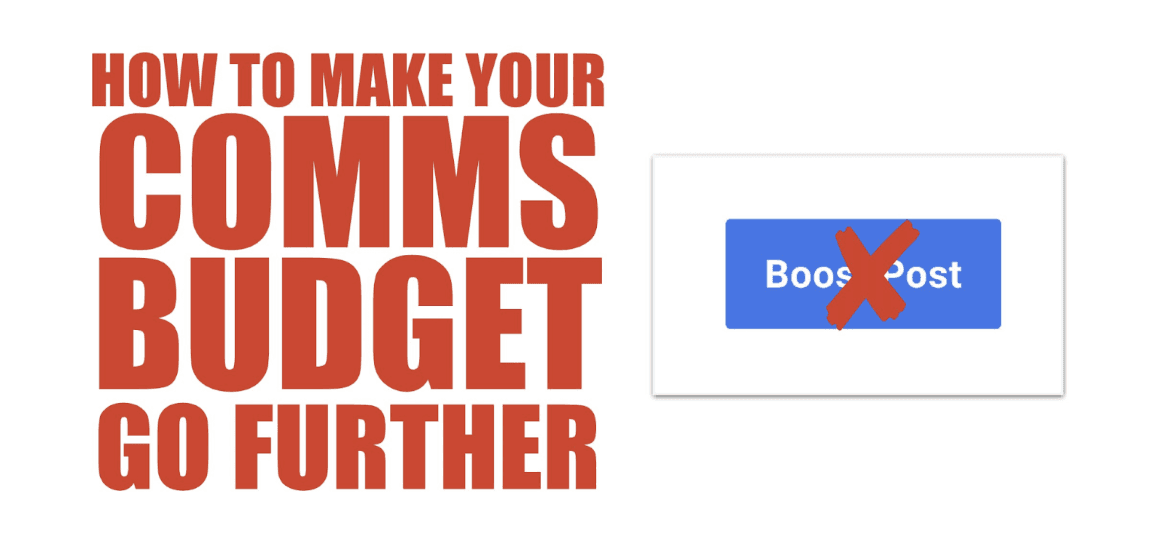
Boosting Without Strategy Is Wasted Money
NGOs waste money on boosting without strategy. Impact Engineering ensures every cent builds traction beyond the echo chamber.
-

Trump’s Victory Was Not About One Man. It Was About Media Logic
Trump’s win shows how media logic has shifted. Impact Engineering equips civil society to compete with populists using tested influence systems.
-
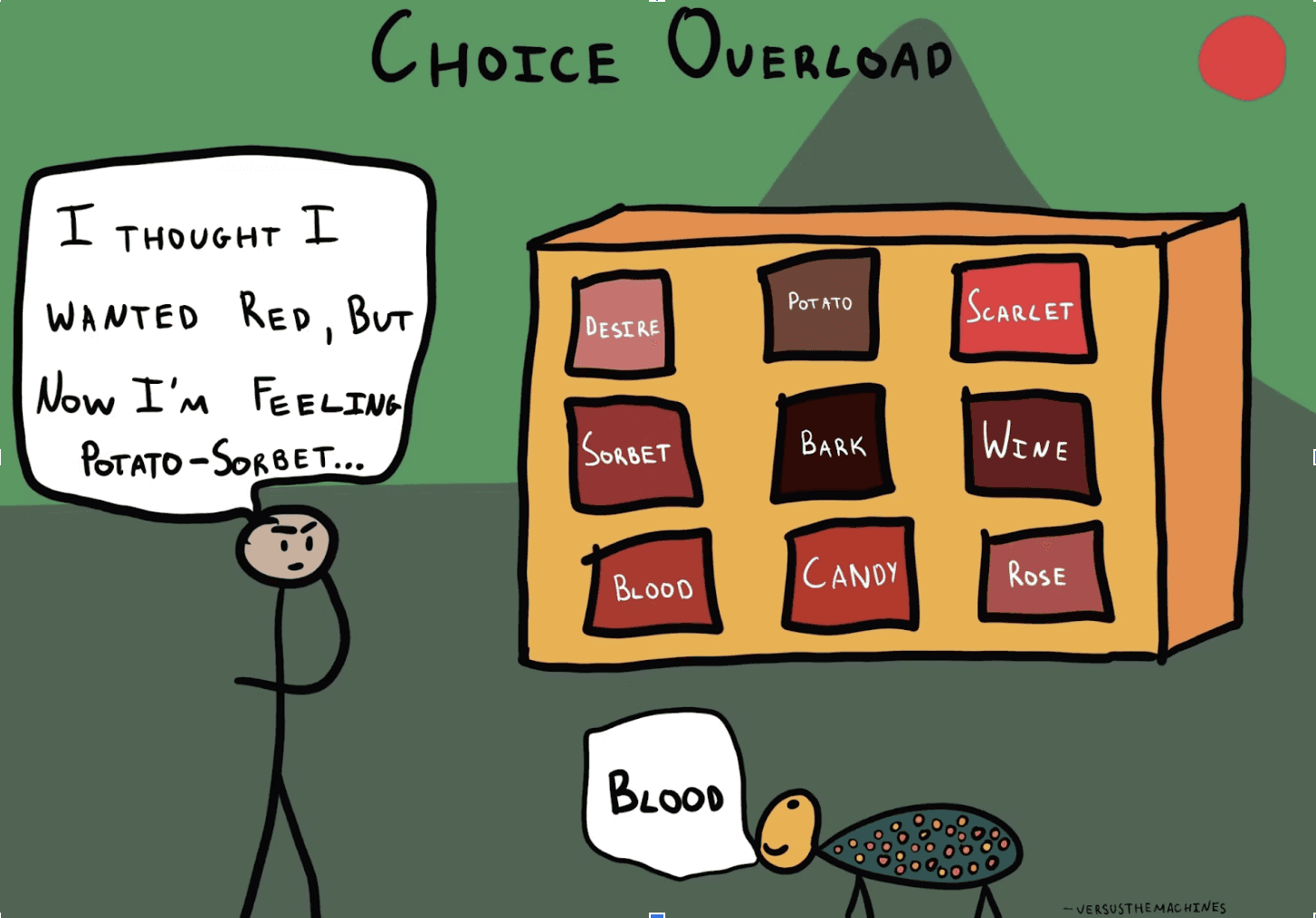
Too Many Projects. Too Little Impact
Cause-driven organisations drown in too many small projects. Impact Engineering shows why fewer, bigger, data-driven strategies achieve more real change.
-

Nice Porn… or Why Ignoring Culture Means Losing Influence
Culture shapes values, even in taboo spaces like porn. Civil society loses influence by ignoring it. Impact Engineering designs traction for better ideas.
-

Disinformation Is Not Magic. It Is Digital Marketing
Disinformation is not mysterious. It is digital marketing applied to ideas. Impact Engineering equips civil society to compete with the same tools.
-

Fake News Is Fun. That Is Why It Wins
Fake news spreads because it feels good. Impact Engineering shows how NGOs can build stories people want to share, not just fact-check them.
-
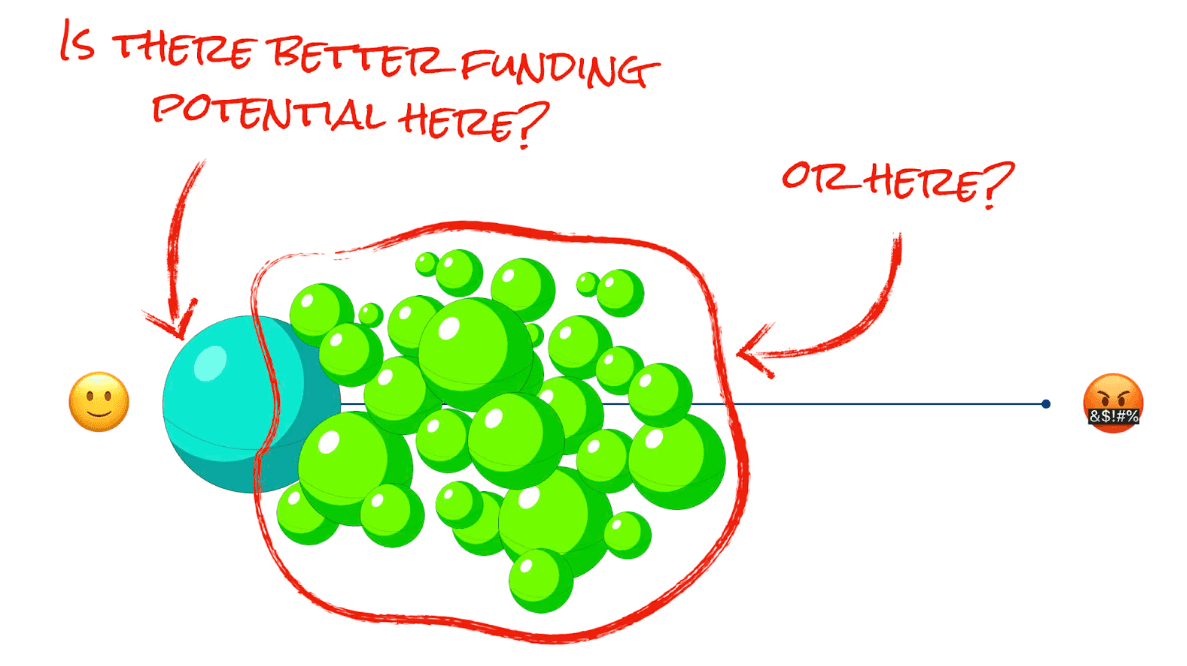
Polarization Isn’t Just Algorithms. It’s Your Funding Model Too
When people talk about polarization, they usually point fingers at populists or algorithms. But they are not the whole story. Civil society itself contributes to the problem without realizing it.